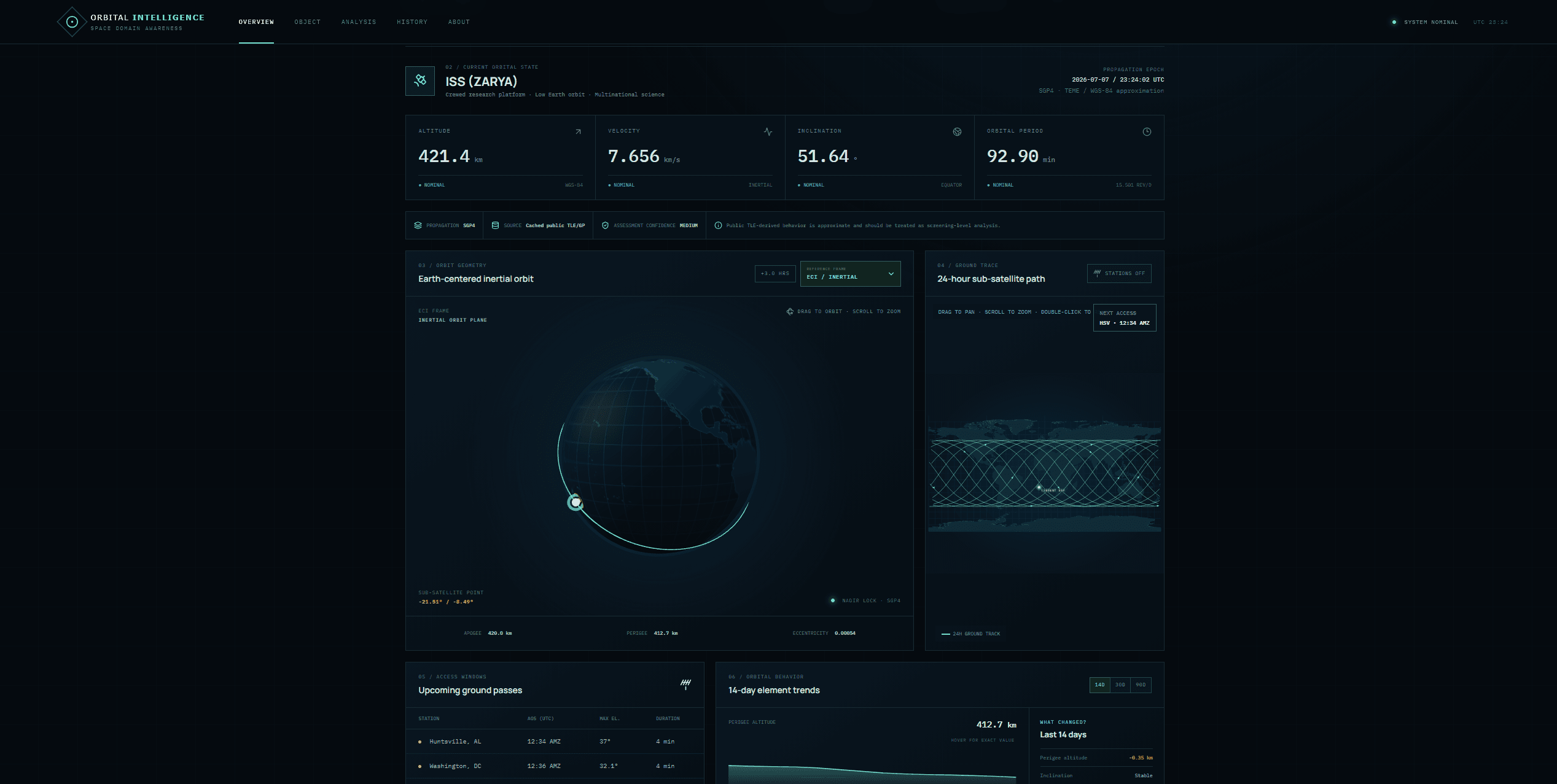
Orbital Intelligence Dashboard
A transparent orbital-analysis dashboard for SGP4 propagation, TEME orbit geometry, 24-hour ground tracks, sampled access windows, and separately sourced historical screening.
Physics · Space systems
Physics graduate working toward a career in astronautics and space systems.
I was born and raised in Houston, so space was never very far away. I studied physics at UT Austin, and now I’m using projects in orbital mechanics, software, and systems work to figure out where I can contribute most.
“The scientist describes what is; the engineer creates what never was.”Theodore von Kármán · aerospace engineer, founding director of NASA JPL
I like the point where physics stops being an equation on a page and has to survive contact with hardware, requirements, deadlines, and everything else that comes with a real mission.
I’m still early in my career, and I’m treating that as an advantage. Right now, I’m building range: learning the technical details, seeing how the pieces fit together, and finding the problems I want to spend years getting better at.
More about my pathA few of the projects I’ve spent the most time on, including what I tried, what worked, and what I learned along the way.
A transparent orbital-analysis dashboard for SGP4 propagation, TEME orbit geometry, 24-hour ground tracks, sampled access windows, and separately sourced historical screening.
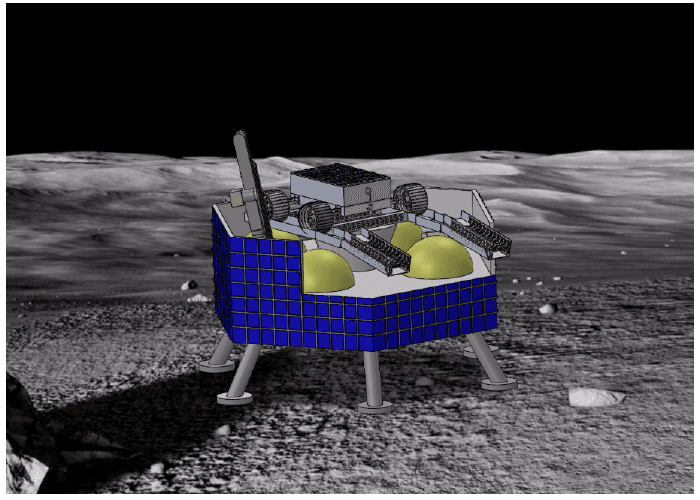
A University of Texas at Austin finalist concept for NASA RASC-AL that compared compacted, solar-sintered, and laser-sintered lunar-regolith surface treatments through a common demonstration campaign.
A place for project writeups, technical references, and the occasional thought that was too long for a README.
A look at the projects I’ve been revisiting, what’s happening with the Orbital Intelligence Dashboard, and where I want the site to go next.
PublishedA short introduction: who I am, what I'm building, and a few honest thoughts on using AI well.
Published